
Injection moulders & toolmakers · Johannesburg, South Africa
Plastic injection moulding, from mould to market.
Africa Plastics designs, builds and runs the moulds behind thousands of South African products. Product development, CAD mould design, in-house toolmaking, 80–1200 tonne injection moulding and full assembly — all under one roof in Kya Sands, Johannesburg.
- In-house toolroom
- Parts over 7 kg
- Independent & South African-owned
- Polypropylene PP
- Polycarbonate PC
- Nylon PA6 · PA66
- Noryl PPE
- Acrylic PMMA
- PVC
- Polystyrene PS · HIPS
- ABS
- Polyethylene HDPE
- Acetal POM
What we do
One partner, from the first sketch to the final shipment.
Most projects pass through several suppliers before a single part is made. At Africa Plastics the designers, toolmakers, moulders and assembly team work in the same building — so your project moves faster, with fewer hand-offs and one point of accountability.
Custom Plastic Injection Moulding
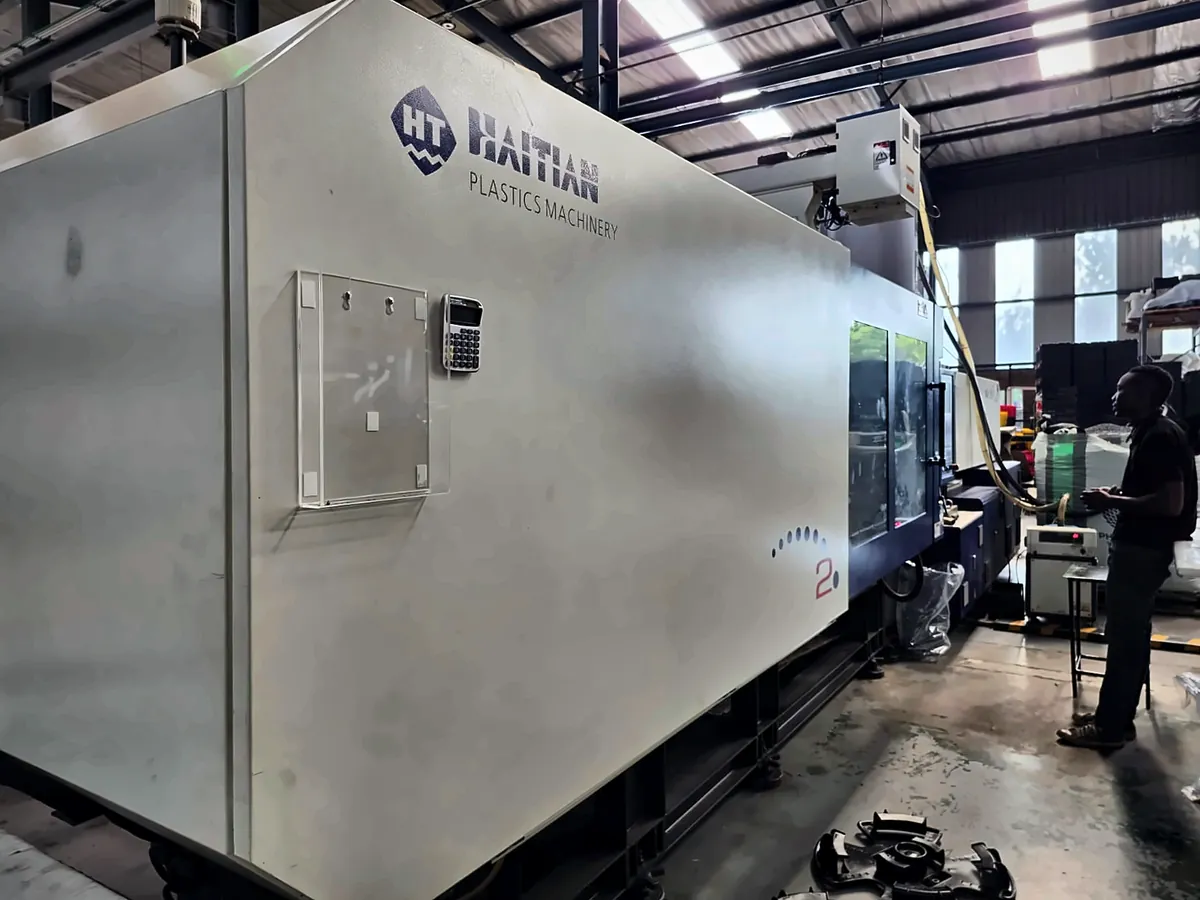
Production moulding of engineering and commodity thermoplastics for electrical, automotive, water, packaging and consumer products — from short runs to large-capacity volume production.
Explore injection moulding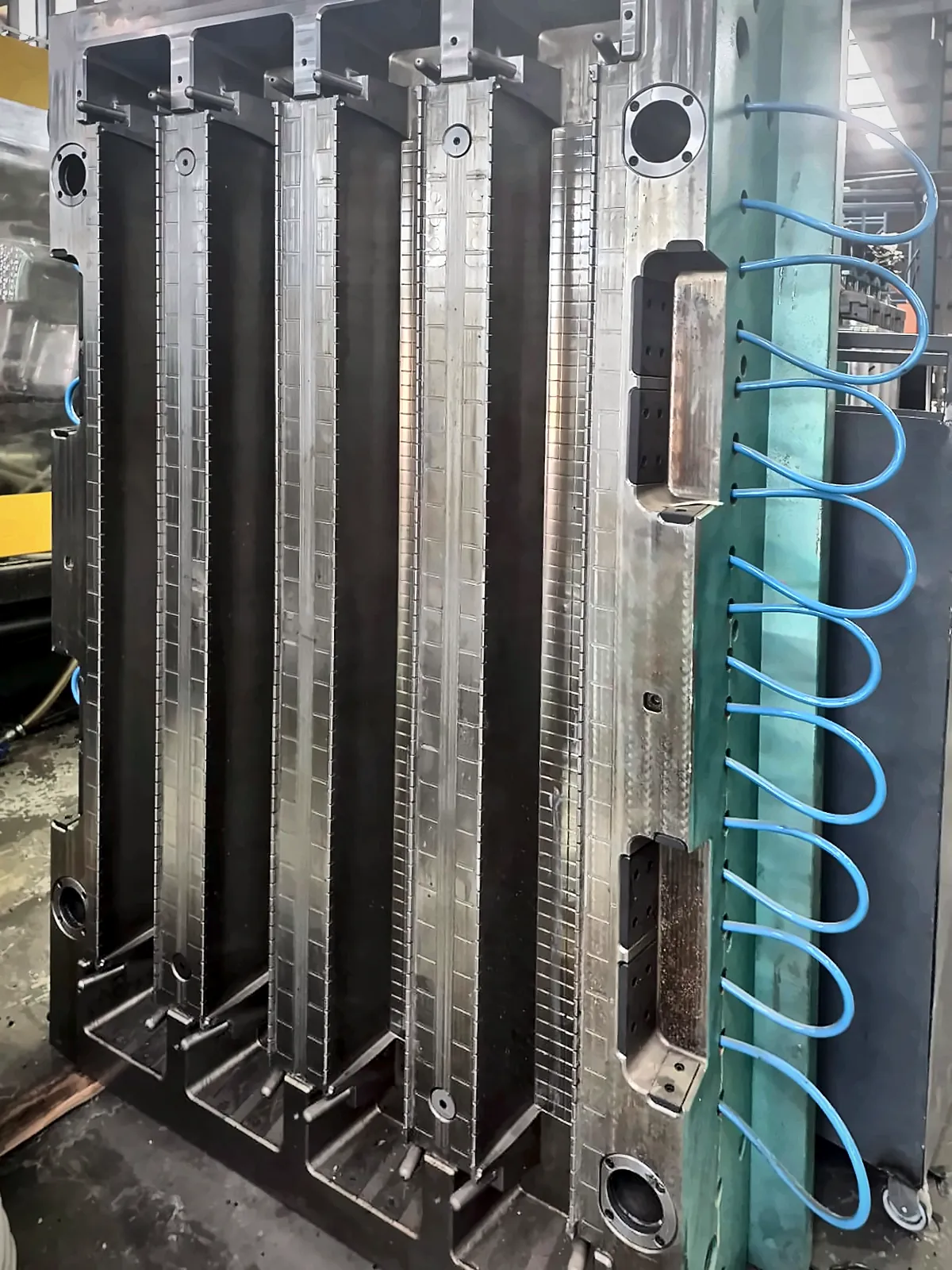
Mould Making & Toolroom
Precision moulds built by our own tool & die makers with CAD/CAM, CNC and spark erosion — plus maintenance and repairs.
Explore mould makingMould Design (CAD/CAM)
In-house designers using SolidWorks, Mastercam and AutoCAD turn your drawing — or sketch — into a production mould.
Mould design 04Product Development
Material selection, design for manufacture, colours and packaging — guidance from idea to mass production.
Product development 05Assembly & Packaging
Sub-assembly, testing, printing and packing of finished products to your specification, ready for delivery.
Assembly services
Plastic Crates
Our own patented lightweight crates for dairy and frozen-food logistics, plus custom crate development.
See our cratesPlanning a moulded part?
Before you commission a mould, read our free guides on how injection moulding is priced and how to choose the right plastic for the job.
How injection moulding works
Pellets in. Precision parts out. Every few seconds.
Plastic granules are melted in a heated barrel, injected under high pressure into a steel mould, cooled and ejected as a finished part — then the cycle repeats. It's the most efficient way to make thousands or millions of identical plastic parts.
- 1 · ClampThe two mould halves close under up to 1200 tonnes of force.
- 2 · InjectMolten plastic is shot through the nozzle into the cavity.
- 3 · CoolThe part solidifies while the screw meters the next shot.
- 4 · EjectThe mould opens and ejector pins release the finished part.

Filmed on our factory floor
This is where your parts are made.
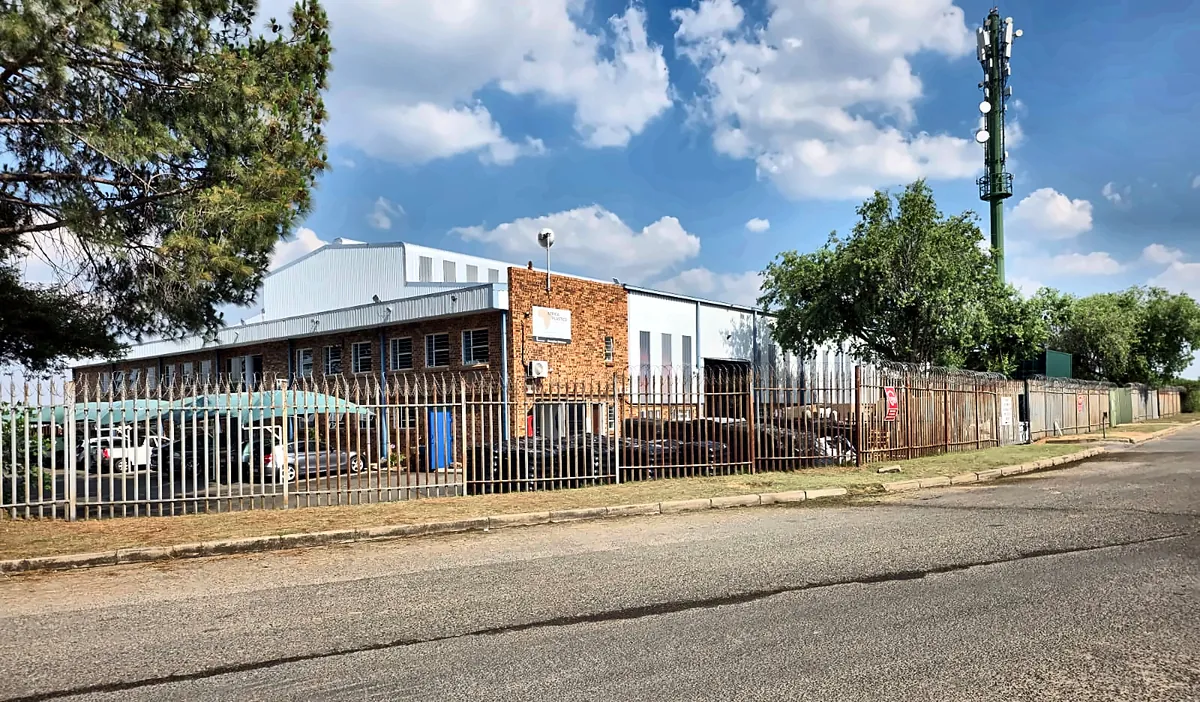
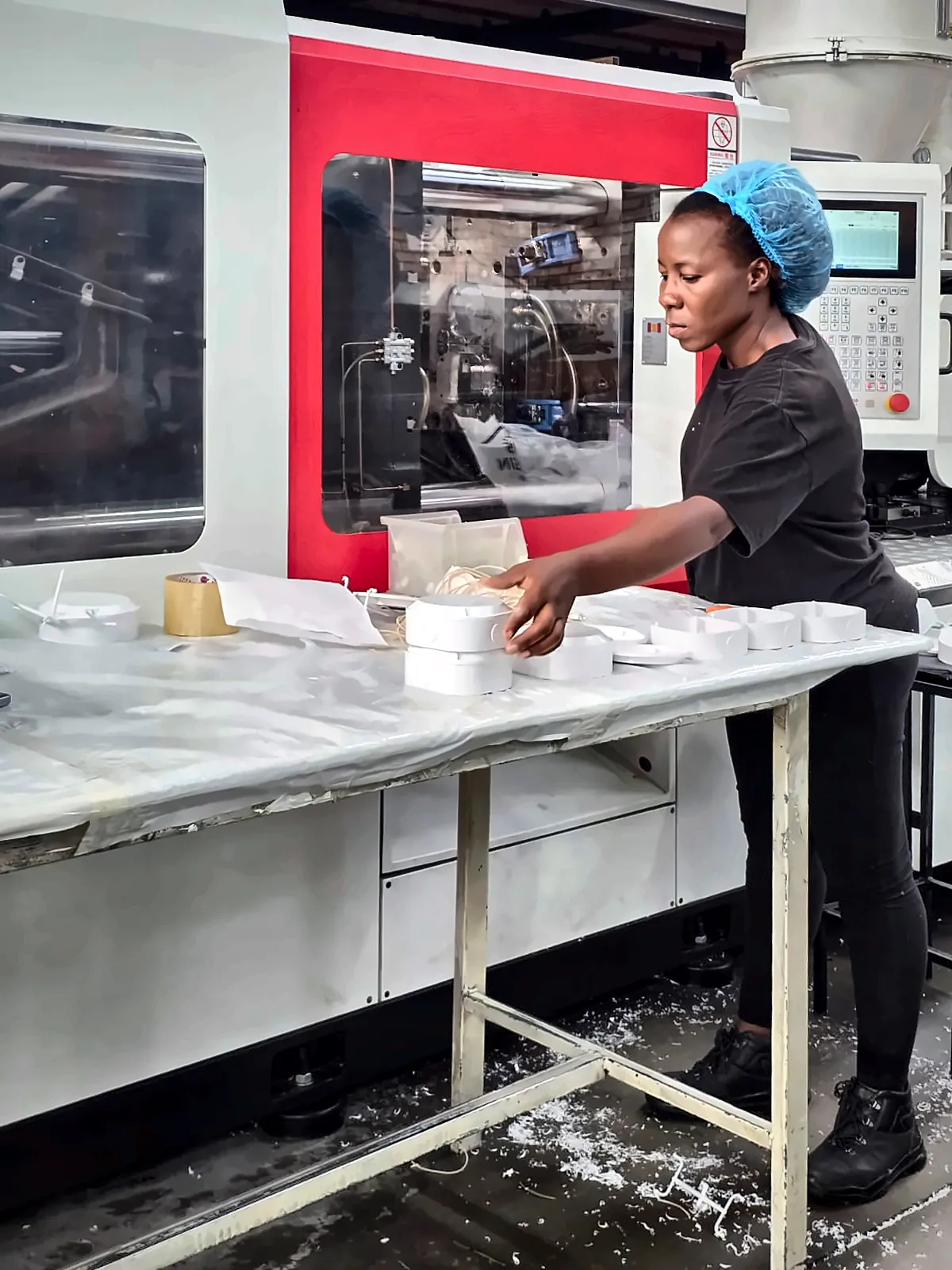
No middlemen and no offshore surprises. Your mould is built in our toolroom, run on our machines and packed by our team, all in one building in Kya Sands, Johannesburg.
- 80–1200Tmachine range
- In-housetoolroom & CNC
- 7 kg+part capability
Why Africa Plastics
Small enough to care. Big enough to deliver.
We're small enough to give your project real attention, and large enough to provide every service you need from an injection moulding company — from the drawing board to the delivery truck.
- Everything under one roof. Design, toolmaking, moulding and assembly in one Johannesburg facility — fewer suppliers, faster turnaround.
- Toolmakers on site. Mould changes, maintenance and repairs happen next door to the machines, not across an ocean.
- Engineering-plastics know-how. Decades of moulding nylon, polycarbonate, PVC, Noryl and acrylic means sound advice on the material that's right for your part.
- Independent and South African-owned. Our independence protects the security of your project and your designs.
- Built for big parts too. Up to 1200 tonnes clamping force for large components weighing over 7 kg.
Our process
From idea to production in five clear steps.
Our staff help from the moment you first contact us — advising on the mould, material, colours, product design and packaging so you can make the right decisions at every stage.
-
Consult & quote
Share a drawing, sample or idea. We discuss quantities, material, finish and budget, then quote the mould and part price.
-
Design & engineer
We refine the part for moulding — wall thickness, draft, gating — and design the mould in CAD.
-
Build the mould
Our toolmakers machine, spark-erode, fit and polish the mould in our own Johannesburg toolroom.
-
Sample & approve
First-off samples are moulded and checked against your specification. You sign off before production starts.
-
Produce & deliver
Production runs, assembly, printing and packing to your spec — delivered, with your mould maintained in-house.
Industries
Trusted across South African industry.
We mould parts and components for well-known products in many sectors — locally and abroad, for blue-chip companies and growing businesses alike. All industries
Electrical
Enclosures, junction boxes, switch & socket parts
Lighting
Diffusers, lamp housings and fittings
Automotive
Interior, under-bonnet and accessory components
Water & Filtration
Water meter housings, filter and valve parts
Swimming Pool
Pool cleaner, pump and fitting components
Rigid Packaging
Dairy, frozen-food and produce crates
Closures & Cosmetics
Caps, closures and cosmetic packaging
Electronics & Security
Remote housings, device casings and covers
Building & Construction
Fixings, fittings and building components
Furniture & Hospitality
Furniture parts, glides and hospitality ware
Housewares
Buckets, bowls, hangers and containers
Scientific
Technical and laboratory components
Made in Kya Sands
Real parts. Real moulds. Real factory.
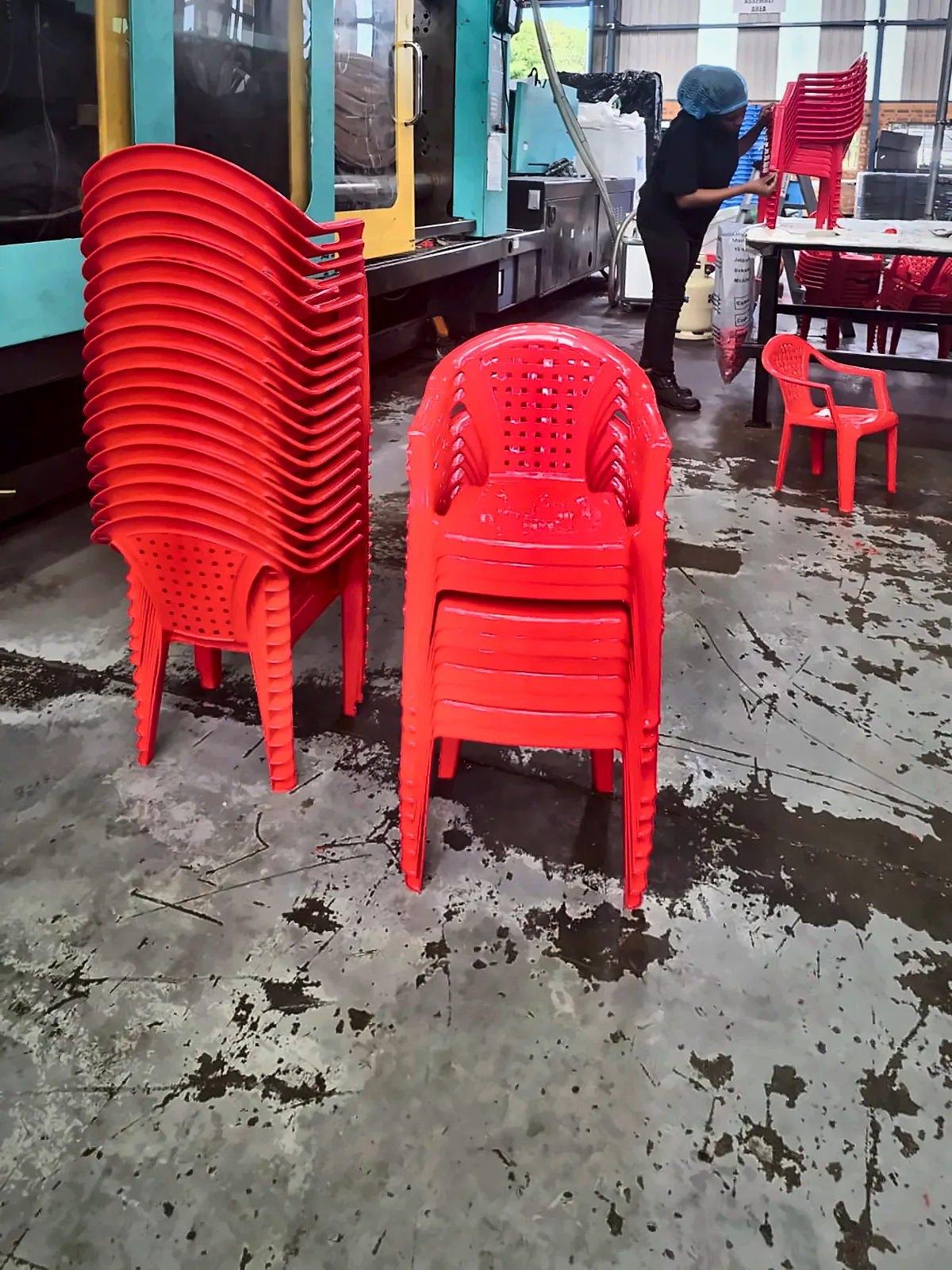
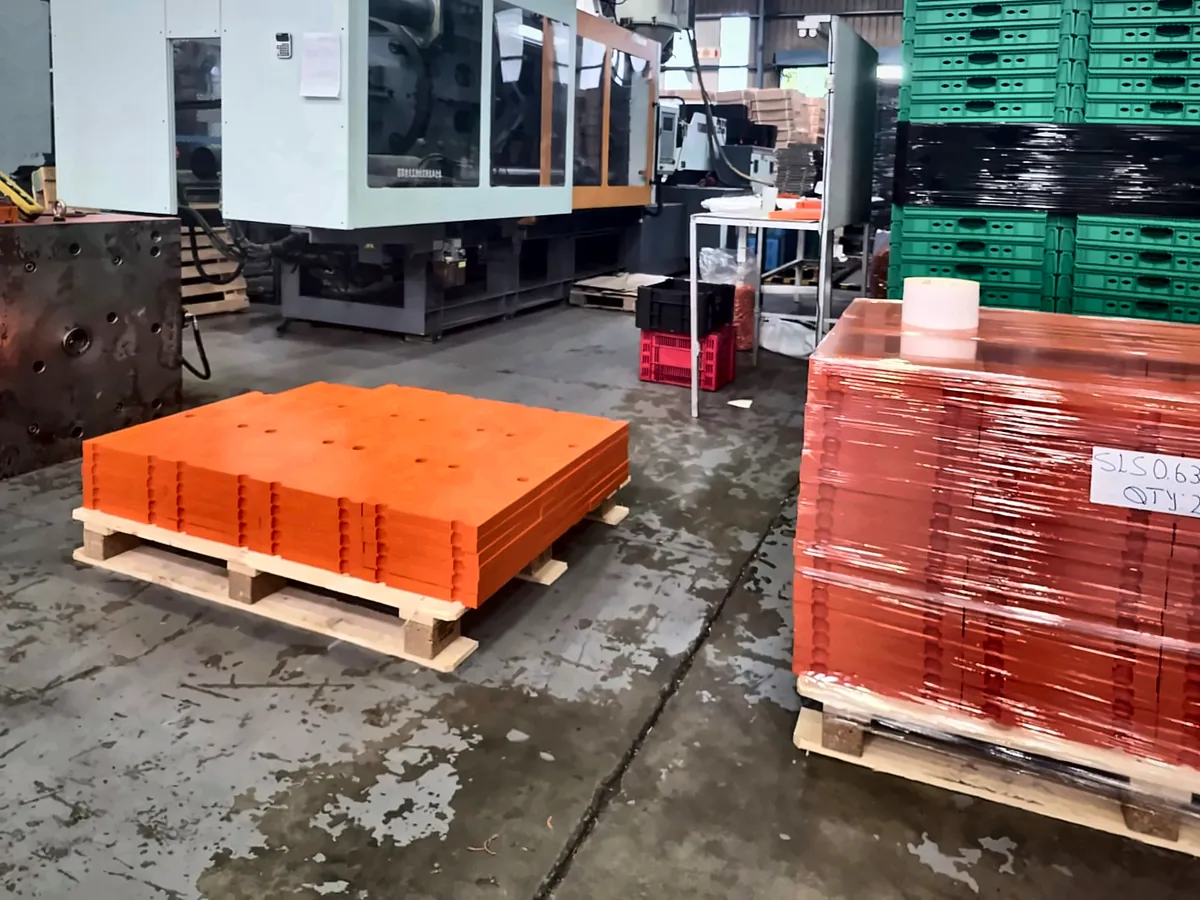
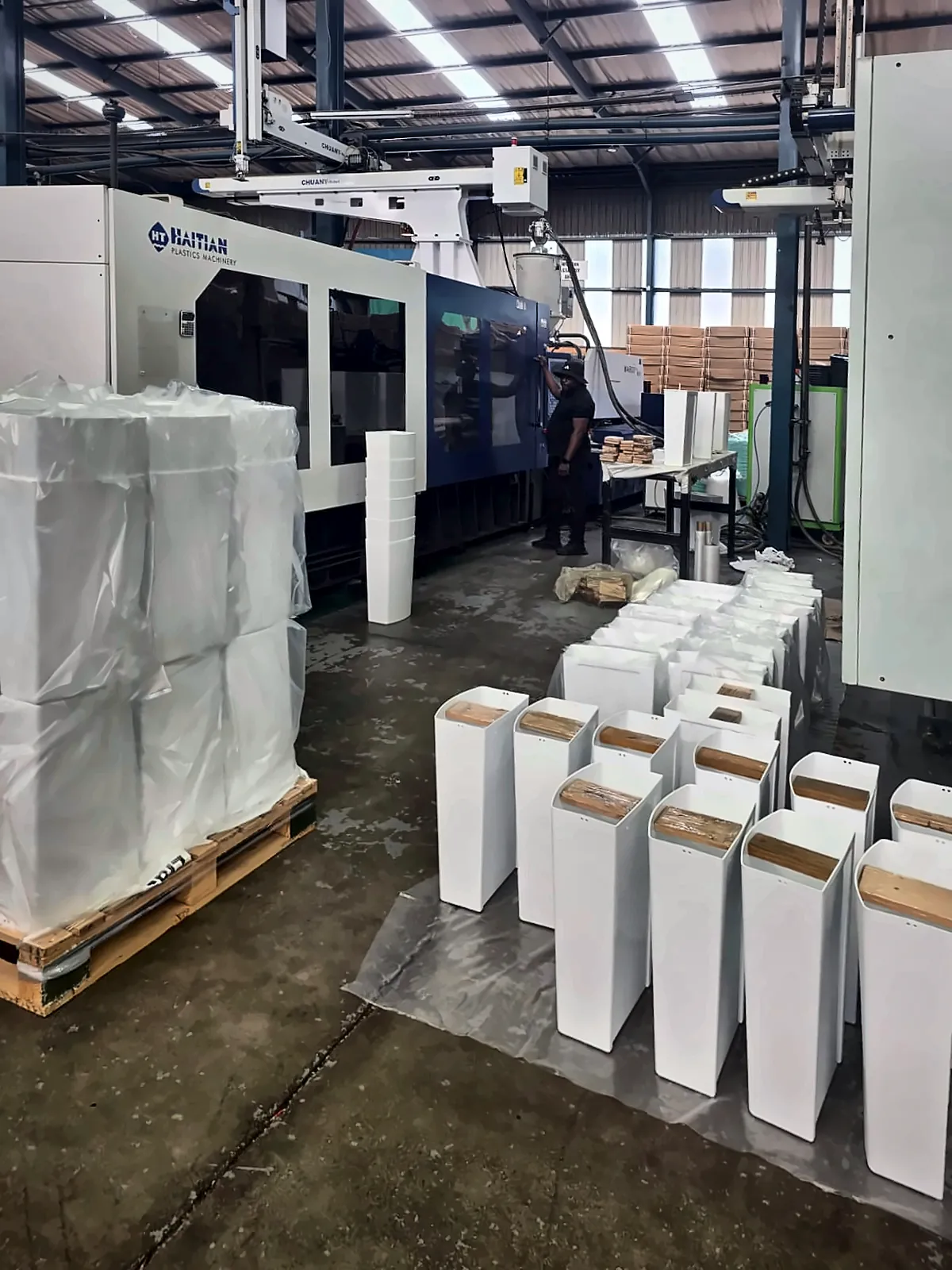
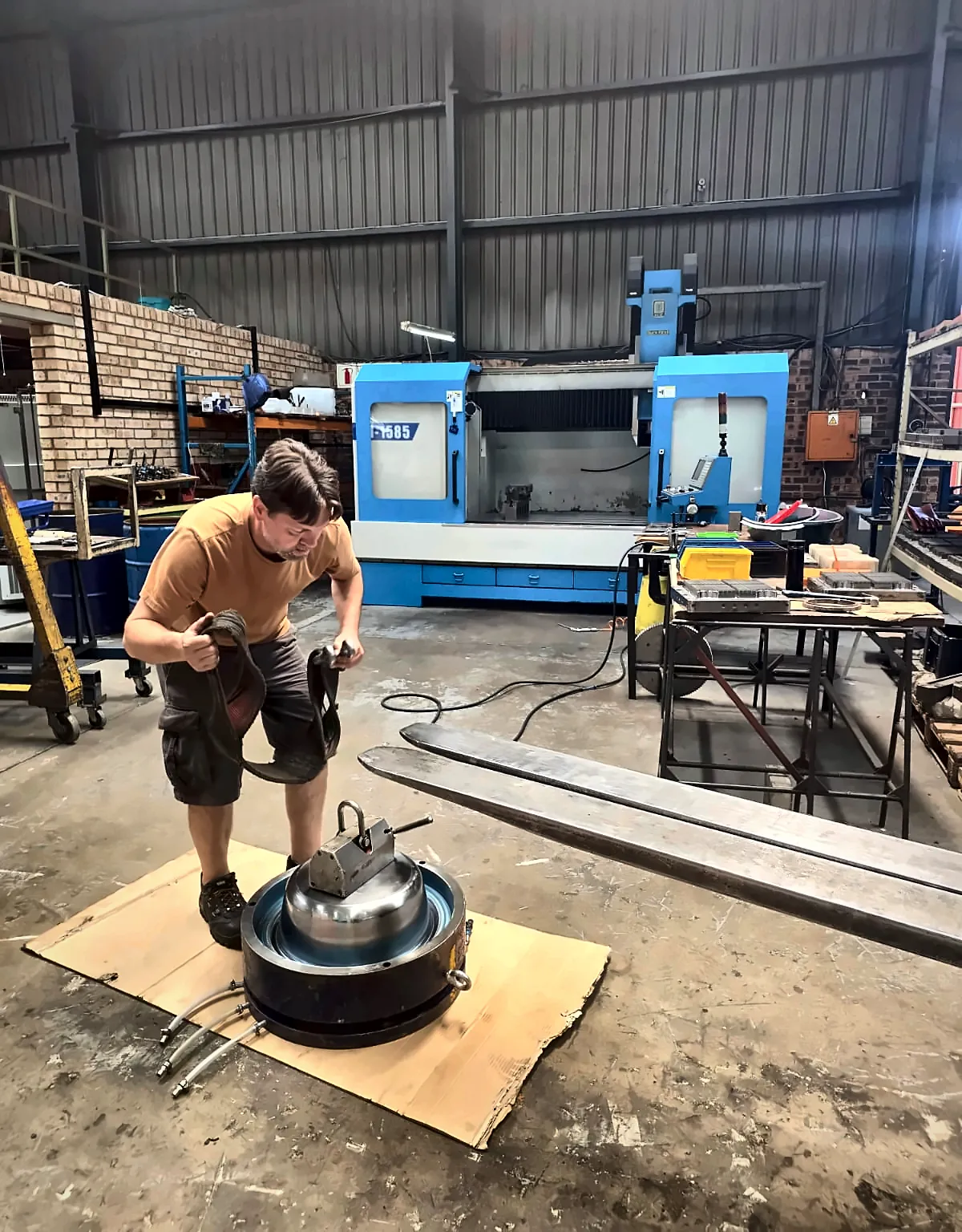
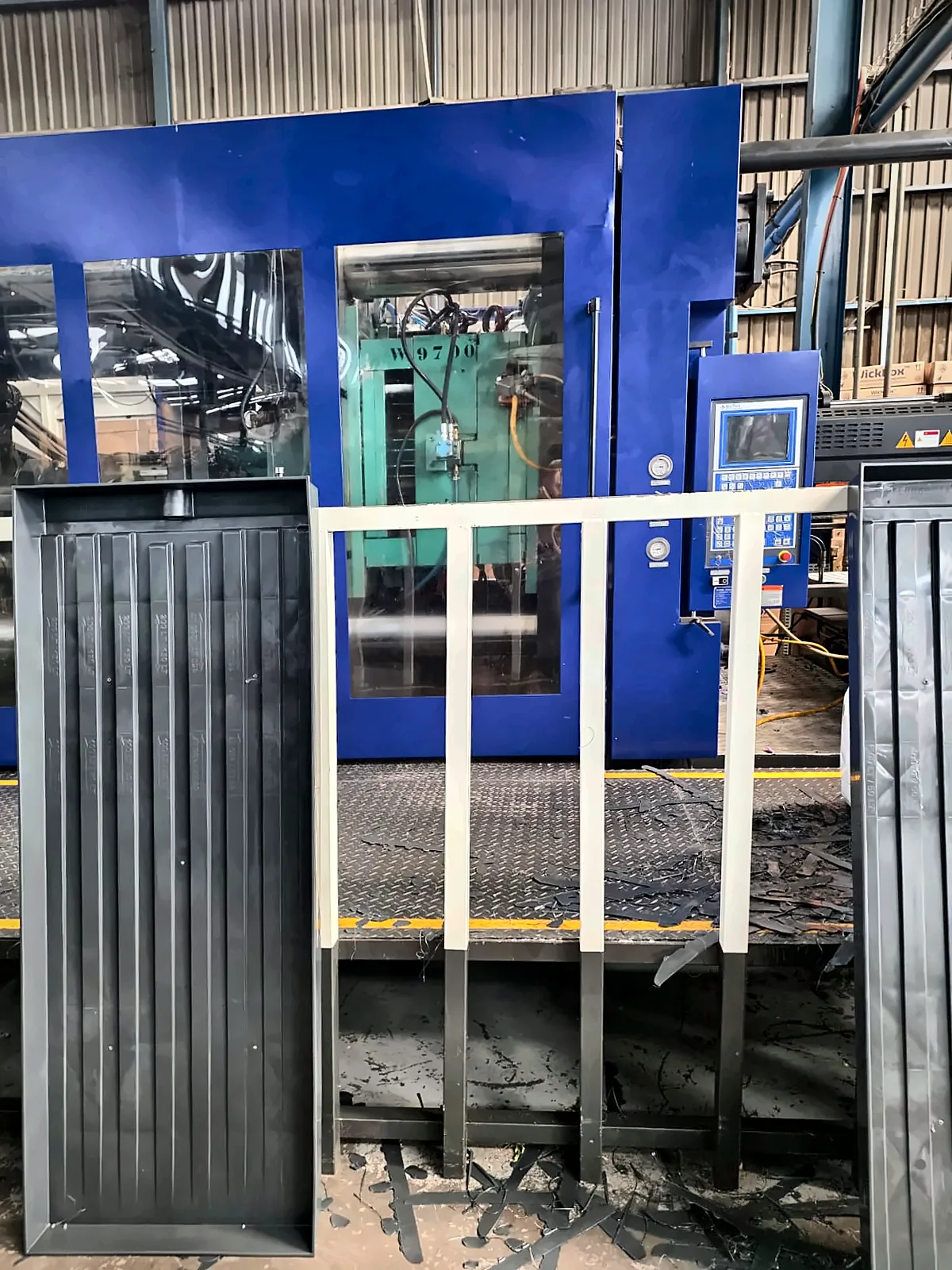
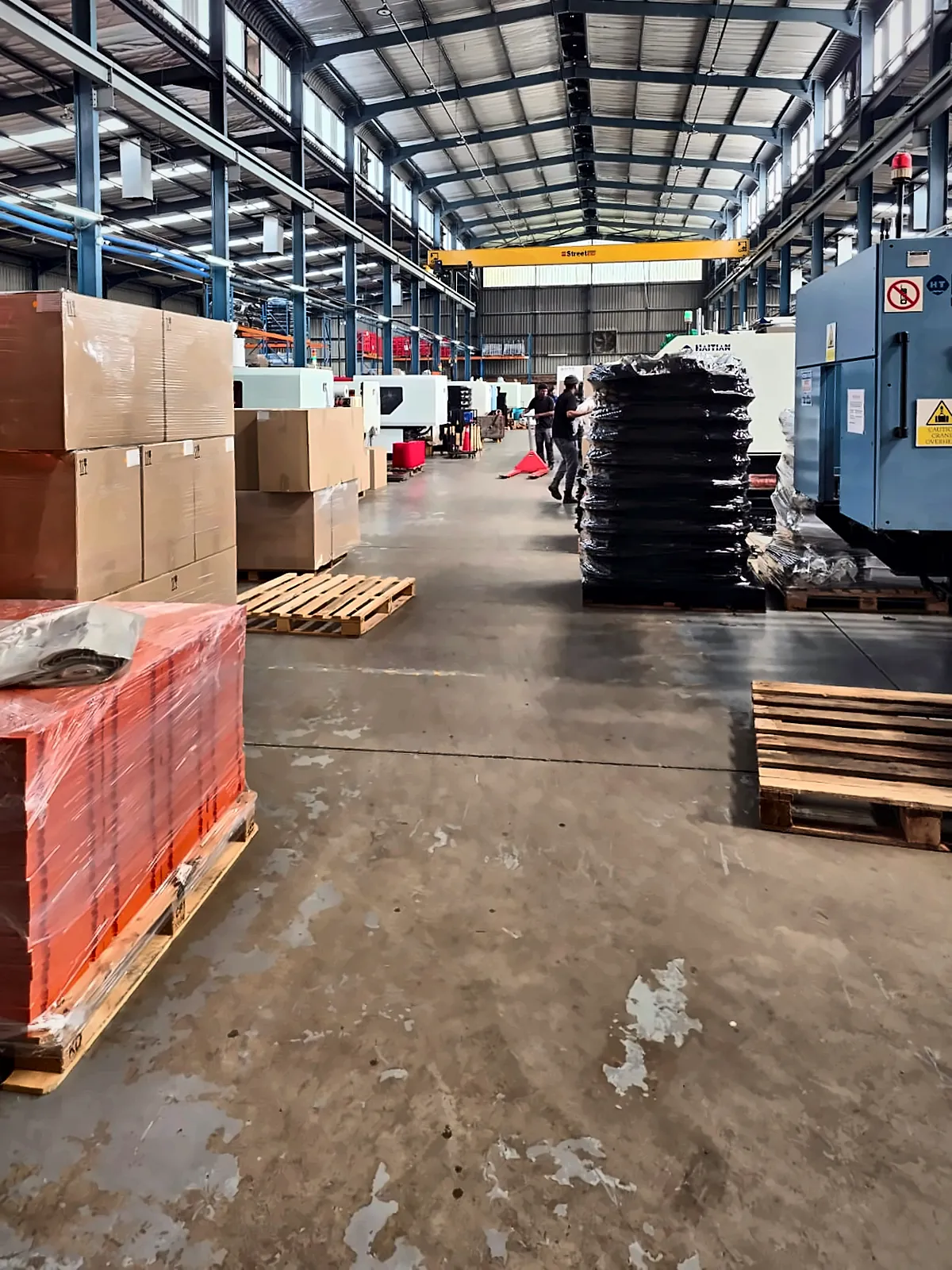
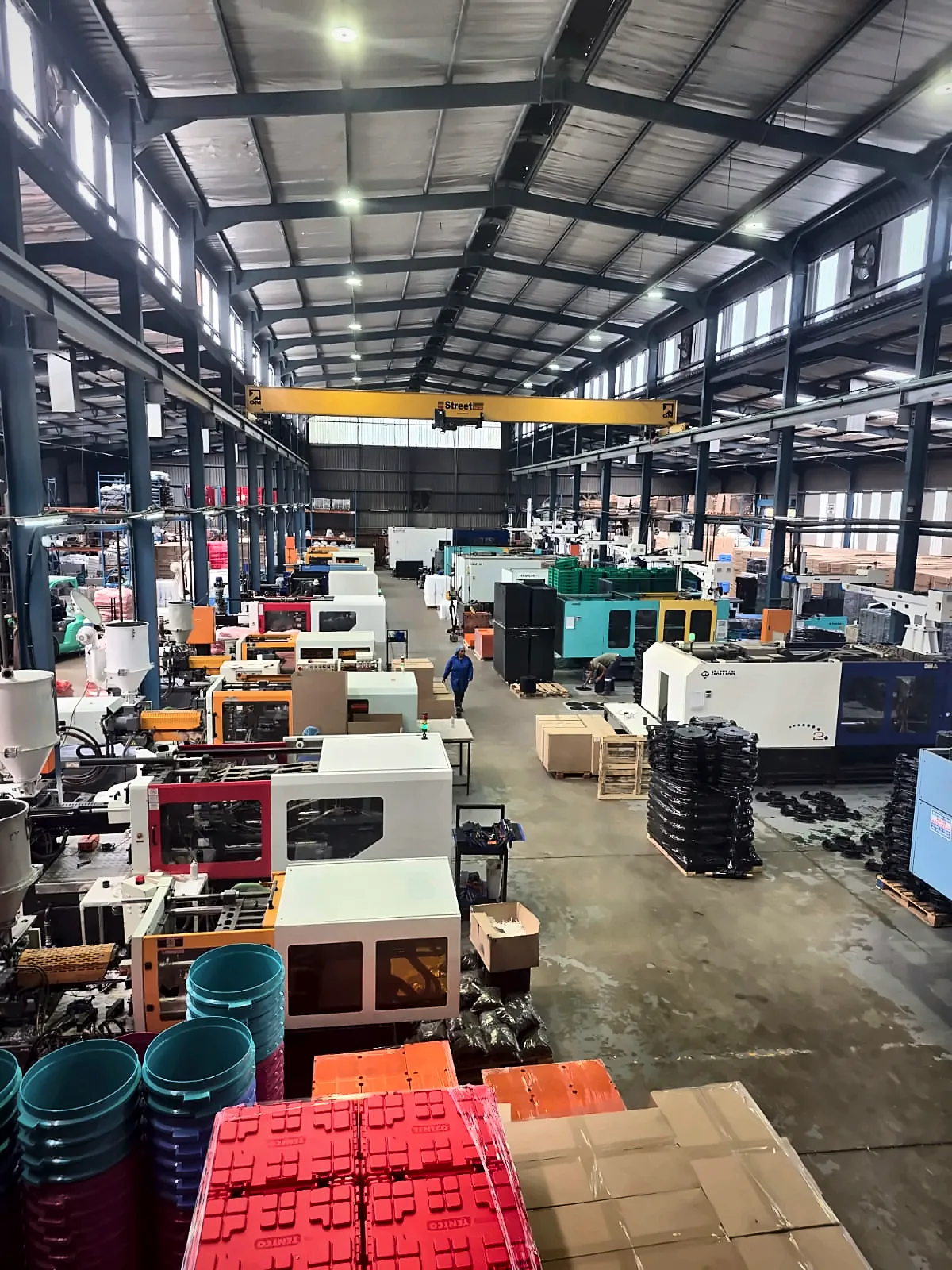
No stock photos here: this is our Kya Sands factory today. Big machines, moulds from our own toolroom, and parts ranging from stacking chairs and containers to large industrial panels.
FAQ
Questions we're often asked
What does Africa Plastics do?
Africa Plastics is a plastic injection moulding company in Kya Sands, Johannesburg. We offer product development, CAD mould design, in-house toolmaking (injection and blow moulds), custom injection moulding on 80 to 1200 tonne machines, and assembly, printing and packaging of finished products.
Do you make the injection moulds in-house?
Yes. Our own toolroom designs and builds precision injection moulds and blow moulds using CAD/CAM, CNC machining and spark erosion (EDM). Because our toolmakers are on site, we also maintain and repair the moulds we run for our customers.
What is the biggest plastic part you can mould?
Our machines range from 80 to 1200 tonnes clamping force, so we can mould anything from small precision components to large parts weighing more than 7 kg.
Which plastics do you mould?
We have long experience moulding engineering and commodity thermoplastics including nylon (polyamide), polycarbonate, PVC, Noryl, styrenics, polypropylene, polystyrene and acrylic. See our materials guide or ask us to recommend a material for your application.
What do I need to send for a quote?
Ideally a 3D CAD file (STEP, IGES or SolidWorks) or a 2D drawing (PDF, DWG or DXF), plus your estimated annual quantity, material and colour. If you only have a sample, photo or rough sketch, send that — we regularly help clients turn ideas into production-ready parts.
Is injection moulding right for small quantities?
Injection moulding is most economical for thousands to millions of identical parts, because the mould is a significant once-off investment. Our injection moulding cost guide explains how mould and part costs are calculated so you can judge whether it suits your volumes.
Do you work with companies outside Johannesburg?
Yes. We supply clients throughout South Africa and have been involved in international projects in rigid packaging and automotive components. South African manufacturing rates make us competitive for export work too.
Send us your drawing — or a sketch on the back of an envelope.
CAD files, technical drawings, an existing sample or a rough idea: we'll help you choose the right material, design the mould and get your part into production.